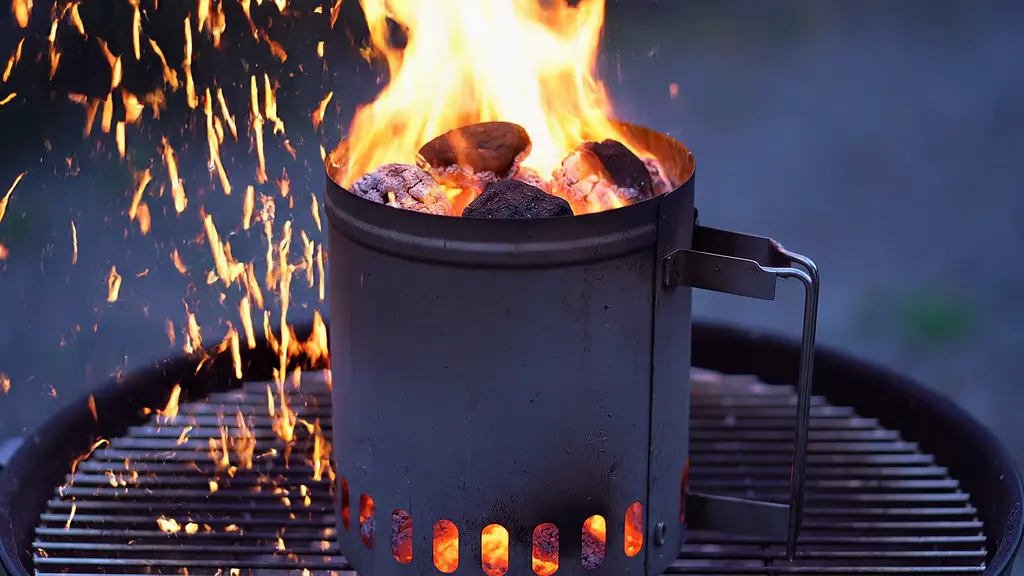
A good charcoal fire is predictable, not mysterious. The trick is understanding fuel, oxygen, and where you pile the coals. Once you know those variables, you can grill steaks over intense heat or cook chicken gently on the opposite side of the grate.
Lump charcoal or briquettes?
| Fuel | Strengths | Trade-offs |
|---|---|---|
| Hardwood lump | Irregular pieces; can respond quickly to airflow; often produces less ash | Heat and burn time vary significantly by brand and piece size |
| Charcoal briquettes | Uniform size; consistent arrangement for two-zone and snake setups | Often more ash; additives and binders vary by brand |
Neither fuel has a universal burn time or a guaranteed cooking temperature. Grill design, weather, fuel quantity, and airflow matter more than blanket claims like “lump always burns hotter.” Our fuel buying guide goes further.
Light charcoal with a chimney starter
- Set the chimney on the grill’s charcoal grate outdoors, away from buildings and overhead combustibles.
- Load the chimney with the amount of charcoal needed for your cook. Use a manufacturer-approved starter cube or newspaper beneath it.
- Light the starter and allow the coals to ignite. Depending on fuel and conditions, that often takes roughly 15–25 minutes.
- When the upper coals are catching and developing ash around their edges, carefully pour them into the grill using suitable heat protection.
- Arrange the fuel for direct, two-zone, or indirect cooking. Install the cooking grate and let the temperature settle.
Never add lighter fluid or other flammable liquids to a lit fire. Keep children and pets at least 3 ft. away from the grill area.


Manage heat with airflow
- More intake air usually means a stronger fire. Start with vents fairly open, then adjust in small increments.
- Exhaust matters, too. Keep enough draft for clean combustion. Avoid producing thick, stale smoke by choking both vents during an active cook.
- Fuel arrangement changes heat. A compact coal pile makes a hotter direct zone; a spread-out layer is gentler but covers more cooking area.
- Wind changes everything. Point exposed vents away from gusts when practical and monitor temperature before making more adjustments.
The same principles run low-and-slow cooks too; see fire management basics.
After the cook
For a charcoal grill designed for shutdown by vent closure, close the vents and follow the manufacturer’s instructions. Coals can stay dangerously hot for hours. Let them cool completely and place ashes in a metal container away from combustibles. Never put warm ashes in a trash can or bring the grill indoors.
Start here: Practice building a coal pile on only half the grate, then cook something forgiving, like vegetables or boneless pork chops, before attempting a long brisket.