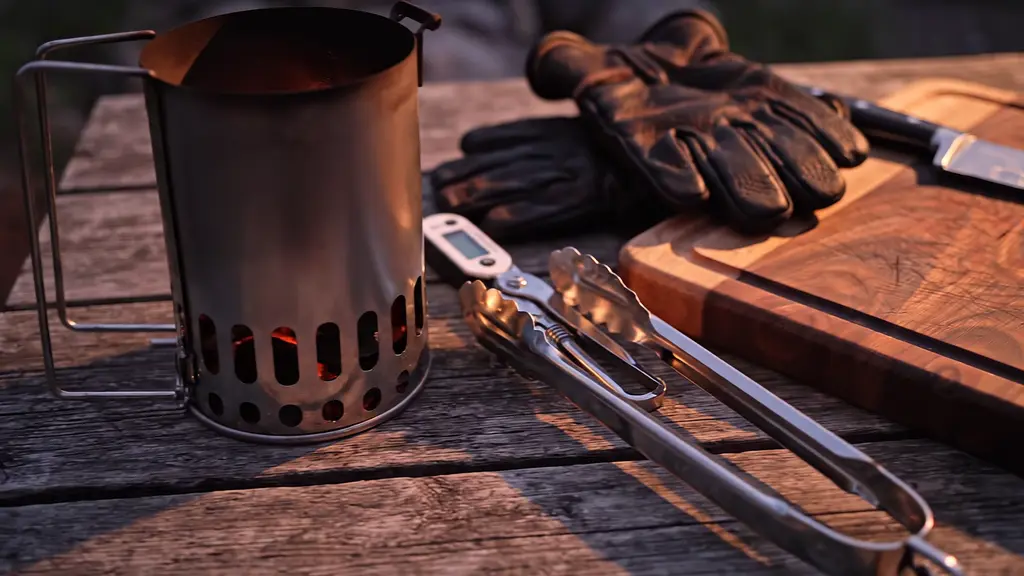
You can improve your grilling without filling the patio with gadgets. Start with tools that solve real problems: measuring doneness, handling hot food safely, building a predictable charcoal fire, and keeping raw meat separate from cooked meat.
This is a sample $100 shopping plan, not a list of current store prices. Prices vary by retailer and season, so check them before you shop.
Five useful purchases
| Tool | Planning allowance | Why it earns a place |
|---|---|---|
| Reliable instant-read thermometer | $30 | Makes food safety measurable |
| Long-handled locking tongs | $15 | Move and turn food without piercing it |
| Sturdy charcoal chimney starter | $25 | Lights charcoal evenly without relying on lighter fluid |
| Heat-resistant handling gloves | $20 | Help protect hands from hot food and equipment when used within their rating |
| Dedicated food-safe prep tray or cutting board | $10 | Supports separation of raw and cooked food |
| Illustrative total | $100 | Check real pricing before buying |
Gas-grill owner? Replace the charcoal chimney with a grate-level thermometer or a quality grill-cleaning tool. There is no reason to buy a charcoal accessory you cannot use.
What to look for
1. Instant-read thermometer
Choose a readable display, published accuracy specification, quick response, and an easy-to-clean sensing tip. It should make it simple to verify 160°F for burgers and 165°F for chicken. Our thermometer guide covers what to look for.

2. Long tongs
Look for a comfortable grip, a reliable locking mechanism, and enough length to reach across the cooking grate while keeping your hands farther from heat.

3. Chimney starter
Match the starter’s capacity to your grill. Use it outdoors on a suitable noncombustible surface, and handle only with recommended heat protection. See how to light and manage charcoal.

4. Heat-resistant gloves
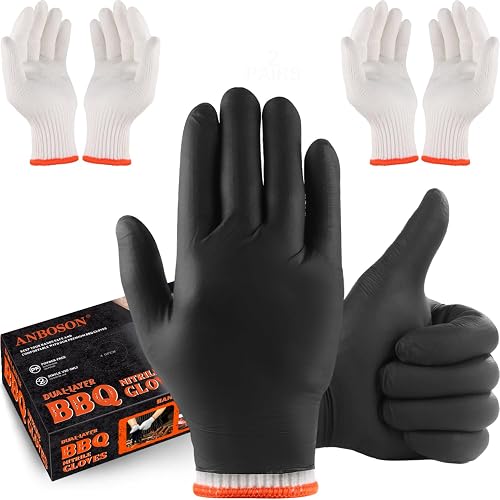
Match the glove rating to the task: brief contact with hot grates is different from handling a chimney of lit coals. Ratings may describe laboratory conditions and do not make gloves fireproof. For handling cooked food, use food-safe gloves and appropriate insulation; thin nitrile gloves alone are not heat protection.

5. Dedicated prep surface
A separate cutting board or washable tray is less glamorous than a spritzer, but it reduces the chance of returning cooked meat to a surface contaminated by raw meat juices.

What can wait
Butcher paper, meat claws, spritz bottles, wireless probes, and specialty rib racks can all be useful eventually. None is essential for your first safe, successful cook. Start with the basics, then add tools as your cooking style demands them.
Buying principle: Upgrade your thermometer before you upgrade your accessories. No gadget compensates for not knowing when food is done.