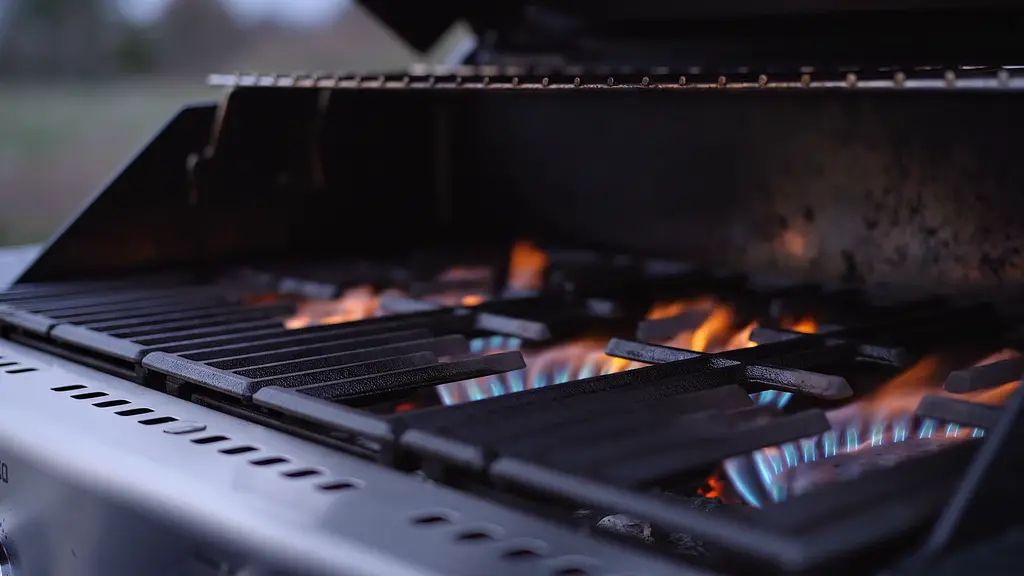
Gas grills are convenient, but they aren’t perfectly even. Burner arrangement, wind, grill age, and food placement create hotter and cooler areas. Learning where those areas are—and keeping the grill clean—delivers more consistent results than turning every knob to high.
Preheat without creating a hazard
- Open the lid before ignition. Follow the manufacturer’s lighting sequence. Never try to light accumulated gas under a closed lid.
- Inspect the hose and connections, especially at the start of the season. Follow the manufacturer’s leak-testing instructions.
- With the lid open, ignite the burners. Once lit, close the lid and preheat as directed for your grill, commonly around 10–15 minutes.
- Adjust burners for the recipe. High heat is useful for a quick sear; medium or indirect heat often works better for poultry and thick cuts.
- Scrape grates with a suitable tool, checking for loose wire-brush bristles if you use a brush.
Do not assume every grill reaches 500°F after the same preheat time. Check the manufacturer’s settings and actual performance.
Find the hot spots
Use the simple bread test as an occasional map, not a precision instrument:
- Arrange slices of plain sandwich bread across a clean, cool grate, keeping track of their positions.
- Ignite the grill according to the manufacturer’s directions and run it briefly at a moderate setting, watching closely.
- Shut off the burners and use tongs to remove the bread. Compare toasted surfaces: darker spots generally indicate more intense heat.
- Note the pattern, then discard the test bread. The test indicates a tendency, not exact grate temperatures.
For a more accurate measurement, place a suitable grate-level probe in the cooking zone or use a surface thermometer rated for the grill.
Prevent grease and gas emergencies
- Clean grease trays and drip systems regularly—according to use and the grill manual, not a universal “every five cooks” rule.
- Inspect burner ports for blockage and follow the manual’s cleaning procedures.
- Perform a soap-and-water leak check as directed; bubbling indicates a leak. Never test for gas leaks with a flame.
- If a gas leak is present and there is no fire, turn off the grill and tank if safe. Have the problem repaired before reuse. If the leak continues, call the fire department.
- If you smell gas while cooking, move away and call the fire department. Do not move the grill.
- If a burner goes out, turn the burner and gas supply off and wait at least 5 minutes before relighting, following the manual.

Always cook outdoors, away from overhangs and siding, and never leave a lit gas grill unattended.
Quick win: Once you know the hot and cool zones, build a two-zone setup for thick chicken parts and finish them over direct heat only when the internal temperature and skin are ready.